A Simple Plan for a Half-Day Hike in Dry Country
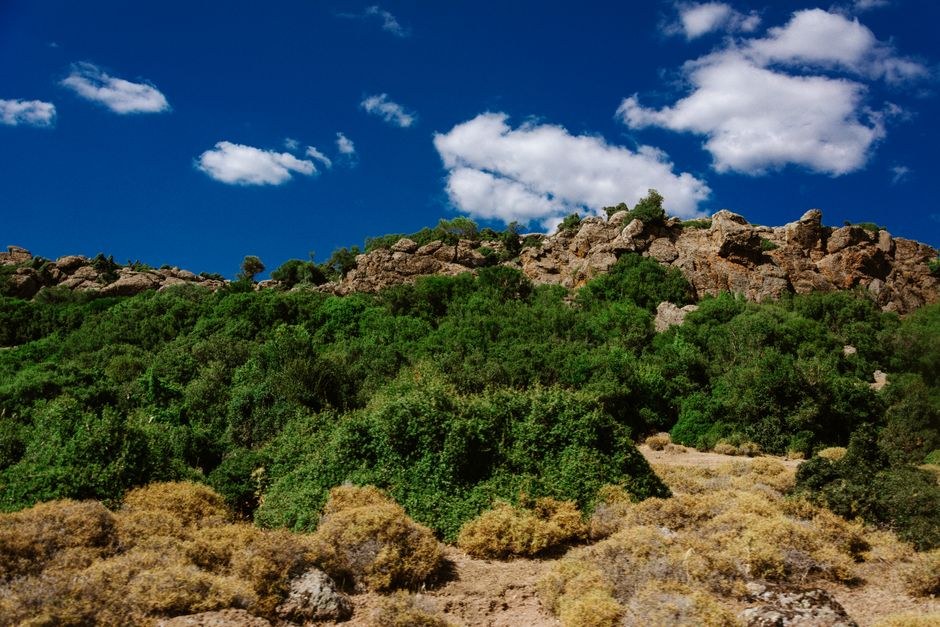
Dry landscapes can look deceptively simple. Trails are often visible from a distance, vegetation may be low, and the weather can appear stable for hours. That openness is part of the appeal, but it also means there may be little shade and few places to change plans once you are far from the start.
For a half-day walk, good preparation can remain very light. The aim is not to carry equipment for an expedition; it is to remove the predictable problems that can turn an easy outing into an uncomfortable one.
Choose distance by time, not ambition
A route described as “only eight kilometers” can take much longer than expected on loose rock, steep ground, or a path with frequent stops for views. Estimate how many hours you actually want to be outside, then choose a route with margin. If you hope to finish by early afternoon, plan for that rather than assuming you will simply walk faster.
Out-and-back routes have one useful advantage: the turnaround point can move. If the day is hotter than expected or the terrain slower, you can turn around early without needing to complete a loop.
Start earlier than feels necessary
Morning light is often the best part of a dry landscape, and an early start gives you cooler conditions and more flexibility. It also prevents the walk from being organized around the hottest hours of the day. Even on a mild forecast, exposed slopes can feel much warmer in direct sun.
Carry water where you can reach it
Water is most useful when drinking it does not require unpacking a bag. Keep one bottle in an outer pocket and take small drinks regularly. For a short hike, the exact quantity depends on temperature, effort, and the individual, but it is sensible to carry more than you expect to finish when there is no reliable refill point.
A small salty snack, fruit, or a sandwich is usually enough food for a half day. Pack something you know you will want to eat rather than an elaborate trail meal.
Dress for exposure, not just temperature
Light layers are more versatile than a single heavy piece. A long-sleeved top, brimmed hat, sunglasses, and comfortable footwear can make an exposed route much easier. In windy areas, a thin outer layer is useful even when the air temperature is warm.
Dry trails are also hard on feet because dust and fine grit find their way into shoes. Socks that fit well and footwear you have already walked in are more important than buying something specialized for one outing.
Decide the turnaround rule before you leave
Set a latest time for turning back and keep it even if the destination is close. This removes the temptation to stretch the day because “it is only another twenty minutes.” A clear rule is especially useful when the return route follows the same exposed ground.
Finally, tell someone where you are going when the route is remote, and check local trail notices before setting out. A half-day hike should feel simple. With the route, timing, water, and turnaround point settled in advance, most of the day can be spent doing the enjoyable part: walking, looking around, and noticing how much changes across an apparently spare landscape.