The Weeknight Vegetable Prep That Makes Dinner Feel Easier
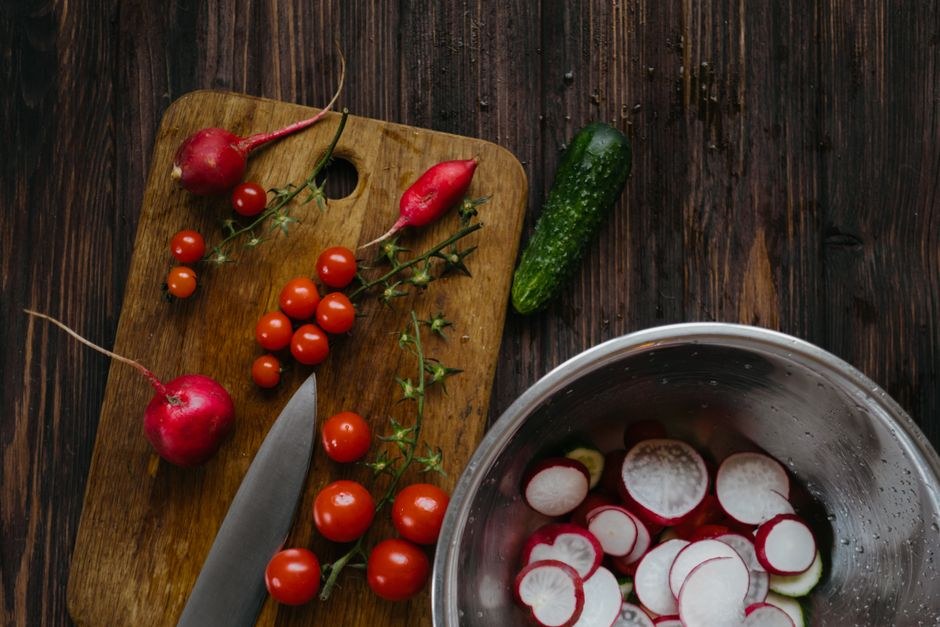
Weeknight cooking often feels difficult for a simple reason: the meal begins too late. By the time the pan is hot, there may still be carrots to scrub, greens to wash, herbs to sort, and a counter full of packaging to clear away. None of those jobs is hard on its own, but together they create enough friction to make a quick dinner feel like a project.
A useful alternative is to give vegetables a short head start once or twice a week. This is not full meal prep and it does not require deciding exactly what you will eat on Thursday. The goal is simply to make the ingredients easier to reach for when you are hungry.
Start with the vegetables you actually use
Begin with three or four ingredients that naturally appear in several meals. That might be carrots, peppers, cucumbers, sturdy greens, spring onions, or a bunch of herbs. Wash only what you are likely to use within a few days. Delicate produce usually keeps better when it is left alone until needed, while sturdier vegetables are more forgiving.
After washing, dry everything well. Moisture trapped in a container can shorten storage life, especially for leafy greens and herbs. A clean tea towel is often enough; for salad leaves, a spinner makes the job faster.
Do the boring cuts first
Some chopping is worth doing in advance because the cut pieces remain useful in many directions. Carrots can be sliced into sticks or coins. Peppers can be cored and cut into broad strips. A large cabbage can be halved and one portion shredded. These forms work in stir-fries, soups, sandwiches, grain bowls, omelets, and simple side dishes.
What is less useful is overcommitting. If every vegetable is diced into the exact shape required by one recipe, the refrigerator becomes less flexible. Prep should create options, not lock the week into a plan you may no longer want.
Build one ready-to-cook tray
If you know one evening will be especially busy, prepare a single roasting tray in advance. Combine vegetables that cook at roughly the same pace, add oil and seasoning just before cooking, and keep the tray covered in the refrigerator. When you get home, the main work is simply turning on the oven.
This works especially well with cauliflower, carrots, squash, onions, mushrooms, or chunks of pepper. Add a quick sauce, eggs, beans, a piece of fish, or leftover grains and the tray becomes the center of a complete meal.
Keep one fresh element untouched
Prepared food is convenient, but meals are more appealing when something still feels freshly made. Leave a lemon whole, keep herbs on their stems, or save a cucumber to slice at the last minute. A squeeze of citrus, a handful of chopped parsley, or a crisp raw topping can make a reheated or quickly assembled dinner taste newly finished.
The best weeknight system is the one that reduces decisions without creating another chore. Thirty calm minutes spent preparing a few vegetables can save much more than thirty minutes later, because it removes the small interruptions that make cooking feel slow. The result is not a refrigerator full of identical containers. It is simply a kitchen that is easier to use.